Pages

Showing posts with label Science2017. Show all posts

Wednesday, 20 September 2017

Kaitiakitanga

What does "Introduced Species" mean?

An introduced species is a species of animal that was not already here when the Europeans came to New Zealand.


Why were they brought to NZ?


Some were brought accidentally, some were brought on purpose to bring a bit of home with them.

Why have their numbers exploded?

As soon as they saw that they had no predators and plenty of food, they bred and soon the country was full of them.

What effect do they have on our native plants and animals? 


Some eat our animals, some eat their eggs, some destroy our plants, some have no effect at all on our forests and animals.

How is the DOC (Department of Conservation) trying to get rid of them?

They have attempted using 10-80.

How are stoats and weasels affecting our native things?

They are eating the eggs of our native birds.

What control methods are being used?

10-80 and possum traps.

Are those methods any success?

Yes.


Study: Mokohinau Stag Beetle

The Mokohinau Stag Beetle is a large wingless beetle living on Lizard Island in the Mokohinau Islands off the coast of Auckland. They live in a patch of vegetation about the size of a living room. They are extremely close to extinction.

Their cause of extinction are storms and forest fires. Only nine have been seen at the same time.
People have driven out rats from the island. This has had no effect.

SAVING THE WHALES

Here I will be demonstrating how we can save Orca whales.These creatures are rare to see in the wild and are extremely endangered due to their favourite food becoming endangered because of humans making dams that cover up their spawning grounds. Whale watching is also having a crucial effect on their hunting ability. The boats getting too close causes the whales to have to move out and reduces their echolocation when hunting.

The governments of different countries are trying their best to help restore the numbers of the Chinook Salmon, the Orca's main food source and banning boats from getting too close to the whales. These are not having much effect.

SAVING YELLOW-EYED PENGUINS

Here I will be demonstrating how we can save Yellow-Eyed Penguins.
Introduced predators and habitat loss are the main causes of this penguin's slow demise. The New Zealand government are trying their best to get rid of these predators and are somewhat succeeding.
 

Wednesday, 2 August 2017

Organ Jobs

Brain: This organ sends all the signals to your body to tell your limbs to move. It also helps you recall different things and remember them.
Image result for brain

Eyes: This organ allows you to see objects in front of you. However, some people that have eyes still can't see. This is called being blind.
Image result for eye inside

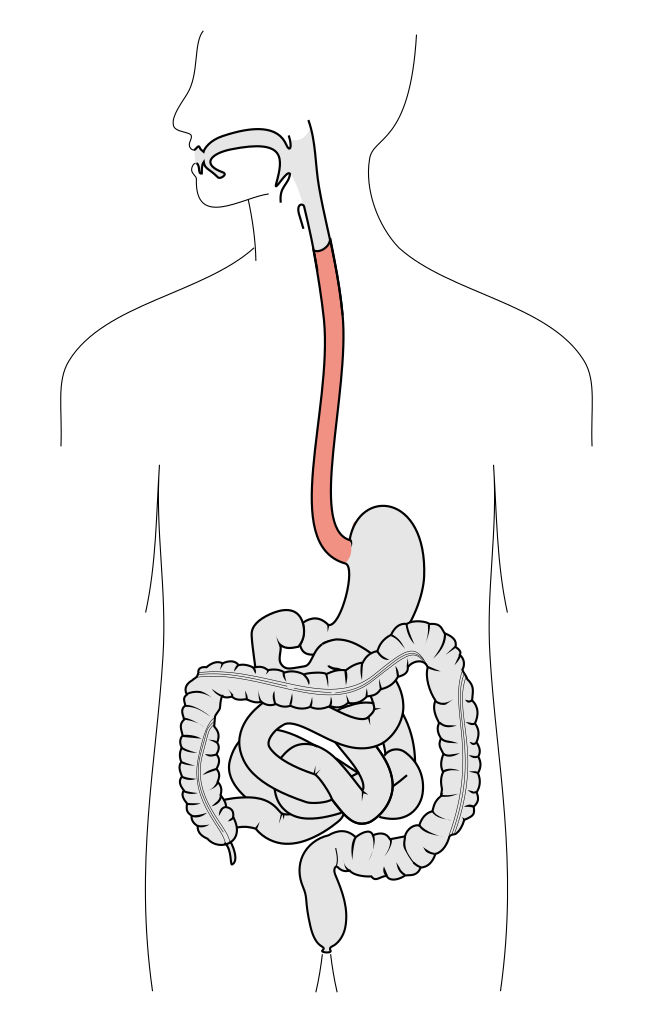
Esophagus: This tube in your throat helps your food and air go to their respective places. However, sometimes it will accidentally send food to your lungs.
Image result for esophagus

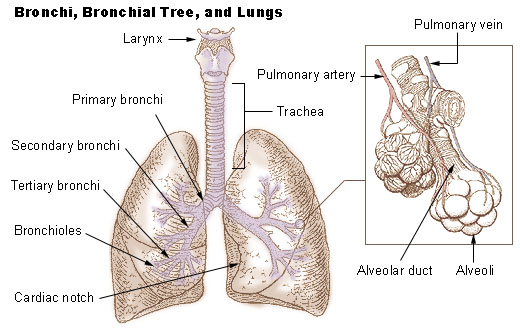
Lungs: If you didn't have lungs, you wouldn't be able to breathe. If you ruptured your lungs, you would die.
Image result for lungs

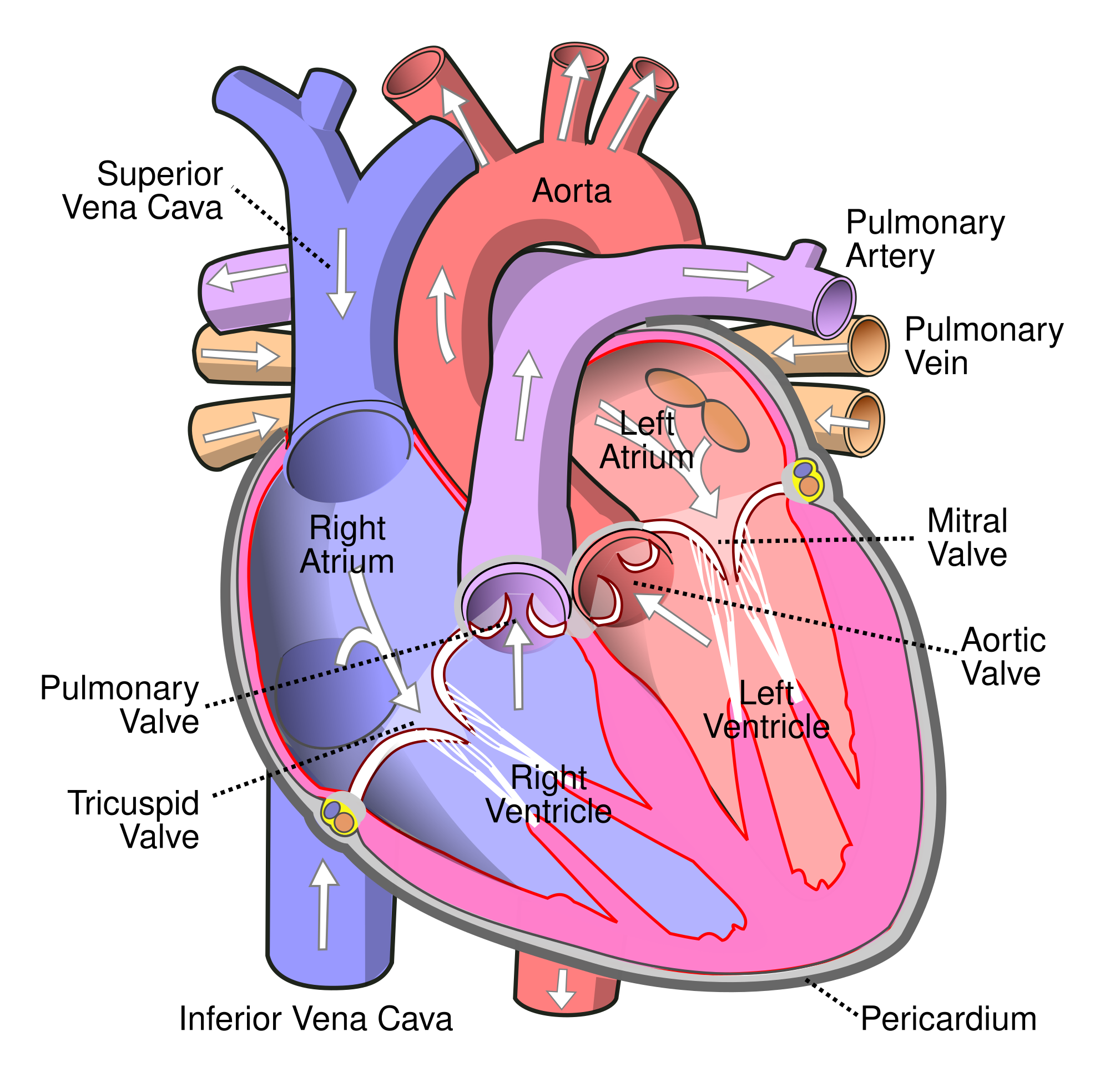
Heart: This organ is the most important part of your body. This allows the blood to pump around your body and keep your organs moving. You will stay alive as long as your heart is still beating.
Image result for heart organ

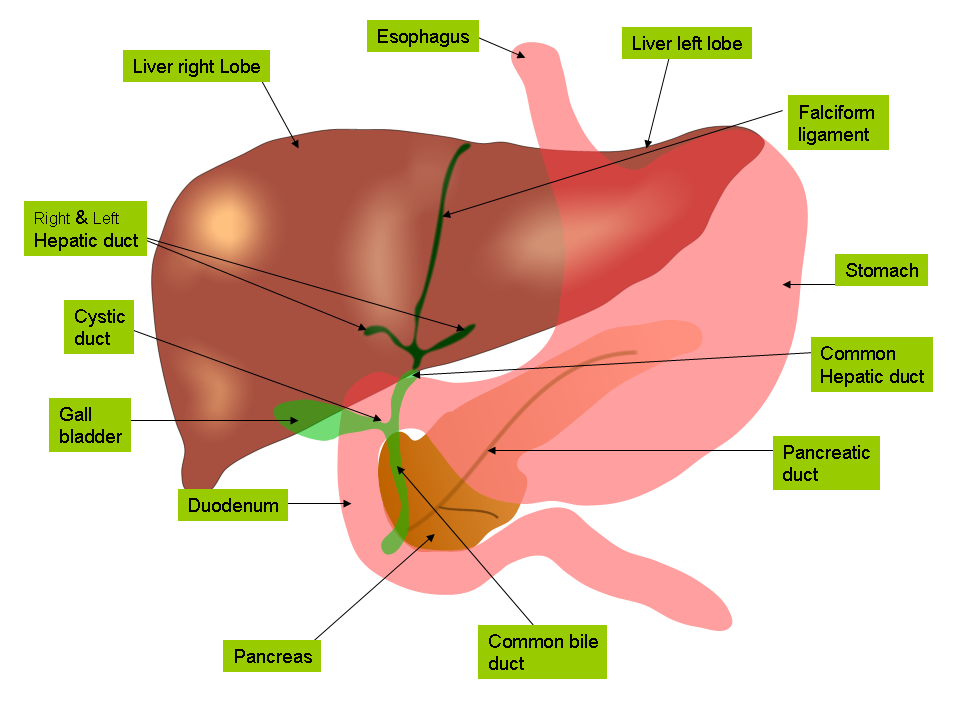
Liver: This organ harvests the fat in your body and turns it into energy. The liver makes bile, which helps to break down the fat.
Image result for liver

Stomach: Your stomach digests food using acid that your body makes especially for digesting food. Sore stomachs are caused by eating the wrong kind of food.
Image result for stomach\

Large Intestine: This intestine is wider and shorter than the small intestine. This intestine works with turning waste into feces.
Image result for large intestine

Small Intestine: This intestine is longer and more narrow than the large intestine. This intestine works with turning food into enzymes to be absorbed.
Image result for small intestine

Rectum: This is where feces goes to to go from the large intestine to the anus.
Image result for rectum

Anus: This is the final place in the digestive system that feces goes through before it is discarded.
Image result for anus

Pancreas: This is where the digestive acid is made before being transported to the stomach.
Image result for pancreas

Gall Bladder: This is where bile from the liver is stored.
Image result for gall bladder

Spleen: This organ destroys worn-out red blood cells, filters the blood and makes white blood cells.
Image result for spleen

Appendix: This doesn't really do anything.
Image result for appendix